Why is proper champagne service essential for the ultimate tasting experience?
Understanding how to serve champagne properly transforms every celebration into an extraordinary moment that honours centuries-old French traditions. UK champagne consumption surged by 12% in 2024, revealing British appreciation for refined service rituals. When you master how to serve champagne properly, you unlock the wine's full aromatic potential and effervescence.
Temperature control proves fundamental to exceptional champagne service. Serving at precisely 6-8°C preserves the delicate bubbles whilst allowing complex flavours to emerge gradually. Crystal champagne glasses amplify this experience through their pure composition and elegant proportions. The glass shape concentrates aromatics whilst the crystal's clarity showcases champagne's golden hues perfectly.
Proper pouring technique prevents excessive foam whilst maintaining the wine's natural carbonation. Tilting the flute at 45 degrees and pouring slowly down the side creates the ideal balance between preservation and presentation. French crystal champagne flutes enhance this ritual with their refined stems and optimal bowl capacity.
These service fundamentals ensure every guest experiences champagne as its creators intended – a celebration of craftsmanship, terroir, and the artistry of fine living!
Essential insight: Perfect service temperature and crystal glassware unlock champagne's true character.
Key Points
- Optimal serving temperature: Maintain champagne at precisely 6-8°C to preserve delicate bubbles and unlock complex flavours through gradual refrigeration over 3-4 hours
- Crystal champagne glasses selection: Choose between classic narrow flutes for effervescence preservation or tulip-shaped bowls for enhanced aroma concentration, with lead crystal content of 24-32% for optimal clarity
- Professional pouring technique: Tilt glasses at 45-degree angle and pour slowly down the side to maintain bubble structure, filling two-thirds full while controlling flow speed
- Proper handling etiquette: Hold glasses exclusively by the stem to preserve temperature and prevent fingerprints, while presenting bottles label-forward with controlled opening techniques
- Premium presentation standards: Invest in quality glassware like Saint Louis crystal glasses to transform champagne service into memorable occasions that honour French art de vivre traditions in the UK market
Champagne Service and Glassware Optimization
| Aspect | Key Details |
|---|---|
| Optimal Serving Temperature | Maintain at 6-8°C; gradual cooling over 3-4 hours; prevents premature cork expansion and preserves bubbles and flavor complexity |
| Crystal Glassware Choices | Classic narrow flutes for effervescence; tulip-shaped for aromatic enhancement; lead crystal (24-32%) ensures clarity and resonance; handcrafted craftsmanship adds value |
| Pouring & Presentation Techniques | Tilt glass at 45°, pour slowly down the side to fill two-thirds; hold bottle by body, present label-forward; serve with elegance to enhance sensory experience |
French tradition meets British appreciation in premium champagne service, exemplified by a 12-35 million bottles surge in the UK in 2024. Clients benefitting from these refined techniques elevate their celebration standards, making every toast memorable.
"Elegance in every gesture transforms a simple pour into an art form, celebrating craftsmanship and tradition."
Which crystal champagne glasses elevate your service?
Champagne consumption in the UK reached 35 million bottles in 2024, highlighting Britain's love for sparkling wine celebrations. But are you using the right glassware to honour this noble beverage? Understanding how to serve champagne properly begins with selecting premium crystal glasses that preserve bubbles whilst enhancing aromatic complexity. Unlike standard glassware, crystal champagne flutes from prestigious houses like Saint-Louis showcase mouth-blown craftsmanship that transforms every sip into an elegant experience. The choice between classic narrow bowls and tulip-shaped designs directly impacts bubble retention and aroma concentration. How to serve champagne properly demands more than just opening the bottle – it requires crystal glassware that respects the wine's delicate characteristics and elevates your entertaining standards.
Classic Crystal Flutes for Perfect Effervescence
Traditional crystal champagne glasses feature narrow, elongated bowls designed to maintain champagne's signature bubble train. The slender profile minimises surface area exposure, preserving carbon dioxide for longer periods whilst creating that mesmerising visual effect. Premium manufacturers like Baccarat and Waterford craft these flutes with precise angles that channel bubbles upward in elegant streams. The rim's thin construction, achieved through expert crystal cutting, ensures smooth contact with lips without disrupting the drinking experience. These classic shapes work brilliantly for vintage champagnes where prolonged effervescence matters most. French crystal champagne flutes from renowned cristalleries feature hand-polished finishes that catch light beautifully, adding visual drama to formal occasions. When learning how to serve champagne properly, classic flutes remain the gold standard for maintaining both tradition and technical excellence. Their timeless silhouette suits everything from intimate dinners to grand celebrations, making them essential pieces for serious entertainers.
Tulip-Shaped Bowls for Aromatic Enhancement
Tulip-designed crystal glassware for champagne offers wider bowls that taper toward the rim, creating optimal conditions for aroma concentration. This sophisticated shape allows champagne to breathe whilst capturing delicate scents of brioche, citrus, and floral notes within the glass's curved walls. The broader base provides more surface area for bubble formation, creating dynamic effervescence patterns that enhance visual appeal. Saint Louis crystal glasses exemplify this design philosophy, combining artistic beauty with scientific precision to maximise sensory experience. Professional sommeliers often prefer tulip shapes for complex vintage champagnes where nuanced aromatics deserve spotlight treatment. The slightly wider opening accommodates gentle swirling motions that release volatile compounds without losing excessive carbonation. These glasses work particularly well for champagne tastings where detailed flavour analysis takes precedence. Luxury champagne service increasingly favours tulip designs for their ability to showcase a wine's complete personality whilst maintaining elegant presentation standards that impress discerning guests.
Premium Crystal Materials and Craftsmanship
Lead crystal content distinguishes premium champagne glasses from ordinary glassware, with percentages ranging from 24% to 32% for optimal clarity and resonance. Higher lead content creates brilliant light refraction whilst producing that distinctive musical chime when glasses touch during toasts. French art de vivre champagne traditions emphasise handcrafted techniques where master artisans blow each piece individually, ensuring subtle variations that mark authentic crystal. The annealing process, where glasses cool slowly over hours, eliminates internal stress points that could cause breakage during service. Premium crystal's non-porous surface prevents flavour contamination whilst remaining completely neutral to taste. Hand-cut decorative elements, from subtle etching to elaborate patterns, showcase crystallier expertise whilst adding tactile interest. Quality crystal maintains consistent wall thickness throughout, preventing temperature variations that might affect champagne's serving conditions. Premium crystal champagne service demands investment in pieces that withstand regular use whilst maintaining their brilliance through countless celebrations, making craftsmanship quality a practical consideration beyond mere aesthetics.
Professional insight: crystal quality directly influences bubble formation patterns and aroma release!
What temperature and preparation steps ensure perfect champagne service?
Perfect champagne service transforms special occasions into memorable moments through precise temperature control and meticulous preparation. UK champagne consumption reached 34 million bottles in 2024, reflecting the nation's appreciation for luxury experiences! Understanding how to serve champagne properly requires mastering both technical precision and elegant presentation. The key lies in achieving optimal temperature while honouring traditional French serving rituals.
Achieving Perfect Champagne Serving Temperature
Champagne serving temperature must reach precisely 6-8°C to unlock the wine's full potential. This controlled cooling preserves delicate bubble formation whilst maintaining flavour complexity. Gradual refrigeration over 3-4 hours allows the champagne to reach ideal temperature without shocking the wine structure. Avoid freezer shortcuts, as rapid temperature changes damage the champagne's cellular composition and compromise taste integrity.
Professional sommeliers recommend placing bottles in the refrigerator's main compartment, never in the door where temperature fluctuates. Ice buckets provide excellent alternative cooling, requiring 20 minutes with equal parts ice and water. The neck should remain submerged for consistent temperature distribution. Luxury champagne service demands patience - rushing this process destroys years of careful craftsmanship. Temperature consistency ensures optimal effervescence and prevents premature cork expansion that could affect opening safety.
Crystal Glassware Selection and Preparation
Crystal champagne glasses require careful preparation to showcase champagne's visual appeal. Premium Saint Louis crystal glasses demand gentle cleaning with lukewarm water, avoiding harsh detergents that leave residue affecting taste. Polish glasses with lint-free cloths to eliminate streaks that disrupt bubble formation. Store crystal flutes vertically to prevent rim damage and maintain structural integrity.
Inspect each glass for chips or cloudiness before service. French crystal champagne flutes feature specific bowl shapes designed to concentrate aromas whilst preserving effervescence. Avoid dishwasher cleaning for premium crystal - hand washing preserves clarity and prevents thermal shock damage. Pre-chill glasses in the refrigerator for 10 minutes to maintain champagne temperature upon pouring. Quality crystal glassware for champagne enhances the entire tasting experience through superior light refraction and elegant presentation that honours the wine's craftsmanship.
Professional Opening and Presentation Techniques
Proper champagne etiquette UK traditions emphasise controlled opening techniques that preserve champagne quality. Remove the foil carefully to inspect cork condition - any damage indicates potential storage issues. Hold the bottle at 45-degree angle, gripping the cork firmly whilst rotating the bottle gradually. This controlled method prevents explosive opening that wastes precious champagne and maintains sophisticated atmosphere.
How to serve champagne properly includes examining the cork's moisture level and checking for crystalline deposits indicating proper cellaring. Present the bottle label-forward to guests before opening, allowing appreciation of the champagne house heritage. French art de vivre champagne traditions require gentle pouring against the glass side to preserve bubbles. Pour in two stages - initial splash followed by full pour once foam settles. This technique maximises bubble retention whilst preventing overflow during elegant champagne presentation that reflects true sophistication and respect for exceptional wine craftsmanship.
Professional insight: maintaining 6-8°C throughout service ensures consistent quality from first sip to final drop!
How do you master the champagne pouring technique?
Mastering how to serve champagne properly transforms any celebration into an elegant affair. With UK champagne consumption reaching 34 million bottles in 2024, proper pouring technique has become essential for luxury entertaining. The secret lies in controlling the flow to preserve those precious bubbles whilst creating an impressive presentation worthy of Saint Louis crystal glasses.
Perfect Glass Positioning and Angle Control
Begin with your crystal champagne glassware for champagne positioned at a precise 45-degree angle. This initial tilt prevents aggressive foaming and allows the wine to flow gently down the glass surface. Hold the flute firmly by the stem to avoid warming the champagne with your hand temperature. As the liquid rises, gradually straighten the glass to vertical position. This technique works particularly well with French crystal champagne flutes, which are designed with optimal bowl shapes for bubble preservation. The angled approach mimics professional sommelier methods used in top establishments. Never rush this positioning phase - patience here determines the quality of your final pour. Temperature control remains crucial throughout, so ensure your champagne is properly chilled to 6-8°C before beginning.
Controlled Flow and Bubble Preservation
Pour slowly down the glass side, maintaining steady contact between bottle and crystal surface. Never pour directly into the centre, as this destroys the delicate foam structure and releases precious carbon dioxide too quickly. The flow should be gentle and continuous - imagine you're creating liquid silk rather than filling a glass. Luxury champagne service demands this level of attention to detail. Fill to two-thirds capacity maximum, leaving space for the aroma to concentrate and develop. This proportion also prevents overflow during the natural bubble formation process. Professional sommeliers recommend a pouring speed that takes approximately 10-15 seconds per glass. Watch the bubble formation carefully - if foam rises too aggressively, slow your pour immediately. Quality champagne deserves this respectful treatment to showcase its craftsmanship properly.
Professional Presentation and Service Standards
Understanding how to serve champagne properly extends beyond mere pouring technique to encompass complete service presentation. Hold the bottle by its body, never by the neck, maintaining control throughout the serving process. Rotate the bottle slightly as you finish pouring to prevent drips on your pristine crystal. Present each glass immediately after pouring to maintain optimal temperature and carbonation levels. Traditional champagne serving protocols suggest serving ladies first, followed by guests, then hosts. Keep bottles in ice buckets between pours to maintain consistent serving temperature. Wipe the bottle neck with a clean napkin between servings for hygiene and elegant presentation. Professional establishments often use specific pouring cloths designed for this purpose. Remember that proper champagne etiquette reflects respect for both the wine's quality and your guests' experience.
Essential insight: slow, deliberate pouring preserves champagne's complex character and creates memorable moments!
What elegant presentation techniques create memorable champagne moments?
Champagne consumption in the UK reached 34 million bottles in 2024, with discerning hosts seeking elevated presentation techniques. Understanding how to serve champagne properly transforms ordinary gatherings into extraordinary celebrations worthy of the finest occasions.
Crystal Selection and Presentation
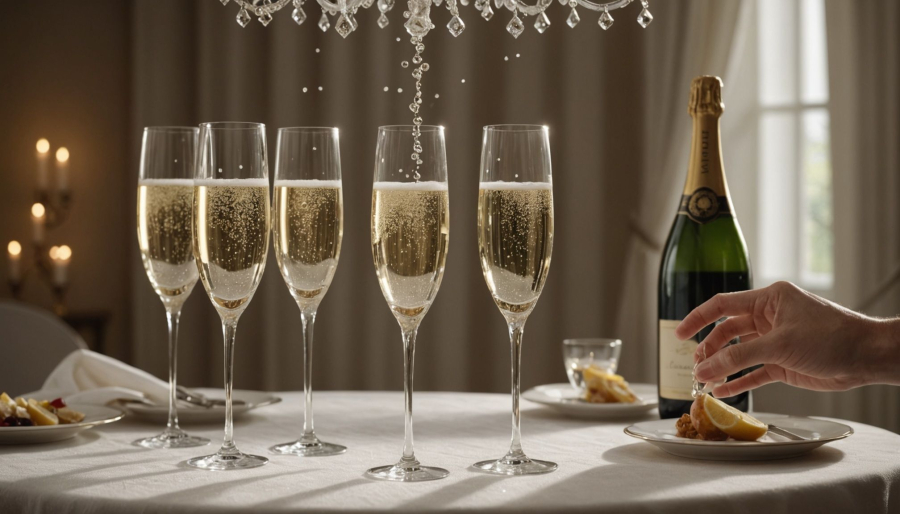
Premium crystal champagne glasses form the foundation of exceptional service. Saint-Louis crystal exemplifies perfection with its brilliant clarity and artistic cuts that capture light magnificently. French crystal champagne flutes enhance bubble preservation whilst creating visual drama on polished silver trays.
Position glasses with mathematical precision, ensuring equal spacing and pristine condition. Each flute requires inspection for spots or fingerprints before service. The crystal's weight and balance communicate quality immediately to guests. Crystal glassware for champagne elevates the entire experience, making each sip feel ceremonial. Light refraction through quality crystal transforms golden champagne into liquid jewellery, creating talking points that guests remember long after the evening ends. Never compromise on glass quality – it's the first impression your champagne makes.
Temperature and Handling Excellence
Understanding how to serve champagne properly requires mastering temperature control and handling techniques. Champagne serving temperature should maintain 6-8°C throughout service, achieved through proper chilling and careful handling protocols.
Learn how to hold champagne glass correctly by gripping the stem exclusively, never touching the bowl. This preserves both temperature and clarity whilst preventing unsightly fingerprints. Master the champagne pouring technique by tilting glasses at 45-degree angles, pouring slowly down the side to preserve bubbles. Professional service demands smooth, confident movements that appear effortless. Train staff to handle bottles with reverence, ensuring labels face guests during presentation. Temperature strips placed discreetly on ice buckets help maintain optimal serving conditions without disrupting the visual aesthetic of your champagne station.
French Art de Vivre Service
French art de vivre champagne traditions emphasise ceremony and respect for craftsmanship. Luxury champagne service incorporates theatrical elements whilst maintaining dignified restraint throughout the presentation process.
Present bottles with labels visible, announcing vintages and producers with appropriate reverence. Traditional champagne serving includes proper cork removal techniques that produce gentle sighs rather than dramatic pops. Create ritual through deliberate movements and respectful silence during opening ceremonies. Proper champagne etiquette UK blends French traditions with British refinement, creating unique service styles. Staff training should emphasise grace and confidence, ensuring guests feel honoured rather than rushed. The ceremony surrounding how to serve champagne properly becomes entertainment itself, building anticipation and creating memorable moments that distinguish exceptional hosts from ordinary ones.
Expert insight: Master these presentation techniques to transform champagne service into theatrical artistry!
How do you select the right crystal glassware for different champagne styles?
Understanding how to serve champagne properly begins with selecting appropriate glassware that complements each champagne's unique characteristics. With UK champagne consumption reaching 34.7 million bottles in 2024, discerning hosts increasingly seek refined serving solutions. How can you transform your champagne service into an elegant experience worthy of Saint-Louis crystal traditions?
Vintage Champagne Glass Selection
How to serve champagne properly for vintage bottles requires wide tulip-shaped crystal flutes that enhance complex aromatic profiles developed through extended ageing. These luxury champagne service glasses feature broader bowls allowing champagne to breathe whilst concentrating sophisticated bouquets toward the nose. Saint-Louis crystal artisans craft these flutes with precise dimensions - typically 240ml capacity with 65mm bowl diameter - enabling proper swirling without losing effervescence. The wider opening accommodates vintage champagne's intricate layers of brioche, honey and mineral notes that narrow flutes would compress. Premium estates like Dom Pérignon specifically recommend tulip shapes for their prestige cuvées. Crystal champagne glasses with hand-cut stems provide perfect weight distribution, preventing heat transfer from fingers to champagne. Professional sommeliers favour these designs for wine tastings where aromatic complexity takes precedence over visual presentation. Choose lead crystal options exceeding 24% lead oxide content for optimal clarity and resonance when toasting.
Blanc de Blancs and Delicate Champagne Styles
Narrow elegant flutes preserve delicate bubble streams essential for appreciating Blanc de Blancs champagne's refined character. These French crystal champagne flutes feature slender profiles measuring 50-55mm bowl diameter, concentrating subtle citrus and white flower aromatics whilst maintaining continuous perlage. The elongated shape showcases champagne's visual appeal - from pale gold hues to persistent mousse formation that defines quality Chardonnay-based champagnes. Proper champagne etiquette UK traditions favour these classic silhouettes for formal entertaining and diplomatic receptions. Saint-Louis creates exceptional examples with laser-cut rims ensuring smooth liquid flow without disrupting bubble formation. Professional champagne serving temperature of 6-8°C works optimally with these designs, as the narrow opening minimises surface area exposure to ambient warmth. Consider flutes with slightly curved sides rather than straight walls - this subtle taper enhances aromatic concentration whilst preventing champagne from feeling overly restricted. Premium lead crystal construction provides durability for frequent use whilst maintaining brilliant transparency that showcases champagne's natural luminosity.
Rosé Champagne and Special Occasion Service
Clear crystal showcases rosé champagne's beautiful pink hues perfectly, requiring specific glassware considerations for optimal presentation. How to serve champagne properly for rosé varieties means selecting flutes with pristine transparency and subtle curves that highlight colour gradations from salmon to copper tones. These crystal glassware for champagne designs often feature slightly wider mid-sections compared to standard flutes, allowing rosé's typically fuller body and red fruit aromatics adequate space for expression. Saint-Louis offers exceptional rosé-specific designs with bowls measuring 58-62mm diameter - striking the perfect balance between aromatic concentration and visual impact. French art de vivre champagne traditions emphasise colour appreciation as integral to the tasting experience, particularly for prestigious rosé champagnes from houses like Krug or Billecart-Salmon. Premium crystal construction eliminates any tinting that might distort natural pink hues. Professional service requires spotless glassware - even microscopic residues can affect both appearance and taste. Consider investing in dedicated rosé flutes for special celebrations where visual presentation equals flavour importance.
Expert insight: Match your crystal investment to your champagne collecting passion!
Questions fréquentes
Mastering how to serve champagne properly requires understanding key techniques that transform ordinary moments into extraordinary experiences. Following proper protocols ensures your champagne service meets professional standards while preserving the wine's exceptional qualities.
What's the correct temperature for serving champagne?
Champagne serving temperature should be maintained between 6-8°C (43-46°F) for optimal taste and effervescence. This temperature range preserves the delicate bubbles while allowing the wine's complex aromas to develop properly. Avoid over-chilling below 5°C as this mutes flavour profiles. Use an ice bucket filled with equal parts ice and water for gradual cooling, allowing 20-30 minutes for proper temperature adjustment. Never place champagne in the freezer as rapid temperature changes can damage the wine's structure. Professional sommeliers recommend using a wine thermometer to ensure precision. The ideal serving temperature varies slightly by champagne style: lighter champagnes prefer the cooler end of this range, while vintage champagnes benefit from slightly warmer temperatures around 8°C to showcase their complexity.
How should I hold champagne glasses correctly?
Proper champagne glass selection guide etiquette requires holding crystal champagne glasses by the stem, never the bowl. This technique prevents hand warmth from affecting the wine's temperature while avoiding fingerprints on the crystal surface. When using premium Saint-Louis crystal glasses, their fine stems demand gentle handling for optimal presentation. The correct grip involves pinching the stem between thumb and index finger, with remaining fingers providing support. This method maintains the champagne's chill while showcasing the elegant silhouette of French crystal flutes. Professional servers often hold multiple glasses by interlocking stems for efficient service. For toasting, extend the glass at chest height with a slight forward angle. Understanding how to serve champagne properly includes demonstrating this proper handling technique to guests, ensuring both elegance and functionality throughout the service.
What's the best pouring technique?
Mastering champagne pouring technique begins with tilting the glass at a 45-degree angle to preserve effervescence and prevent overflow. Pour slowly down the side of the flute, allowing foam to settle before continuing. This method maintains the champagne's delicate bubble structure while creating an elegant presentation. Fill glasses two-thirds full, leaving space for the wine's aromatic development. Professional service requires pouring from the guest's right side while maintaining bottle control. Hold the bottle firmly by its base, never by the neck, ensuring stability throughout service. After pouring, give the bottle a slight twist to prevent dripping. When serving multiple guests, maintain consistent pour levels for visual harmony. French art de vivre champagne traditions emphasise unhurried, deliberate movements that respect both the wine and the occasion. Practice this technique regularly to achieve the smooth, confident motion that characterises exceptional champagne service.
Service insight: Perfect champagne presentation requires patience and precision in every gesture!
